

Introduction
Many people order custom canvas bags for their business or event.Some later find that the logo cracks, peels, or fades after a few washes.
This problem frustrates many sellers and small brands.It can also damage a brand’s image when customers receive bags with weak prints.
The printing method plays a big role in how long a logo lasts.Two common methods for canvas bag printing are screen printing and digital heat transfer, which many people call DTF.Both methods offer strong benefits.However, each method also has limits that can affect cost, design quality, and durability.
This guide explains both printing methods in simple terms.It will help you decide which option works best for your canvas bag project.
What Is Screen Printing on Canvas Bags?
Screen printing is one of the oldest printing methods in the apparel industry.Many companies have used this method for decades to print logos on shirts, tote bags, and other fabric products.
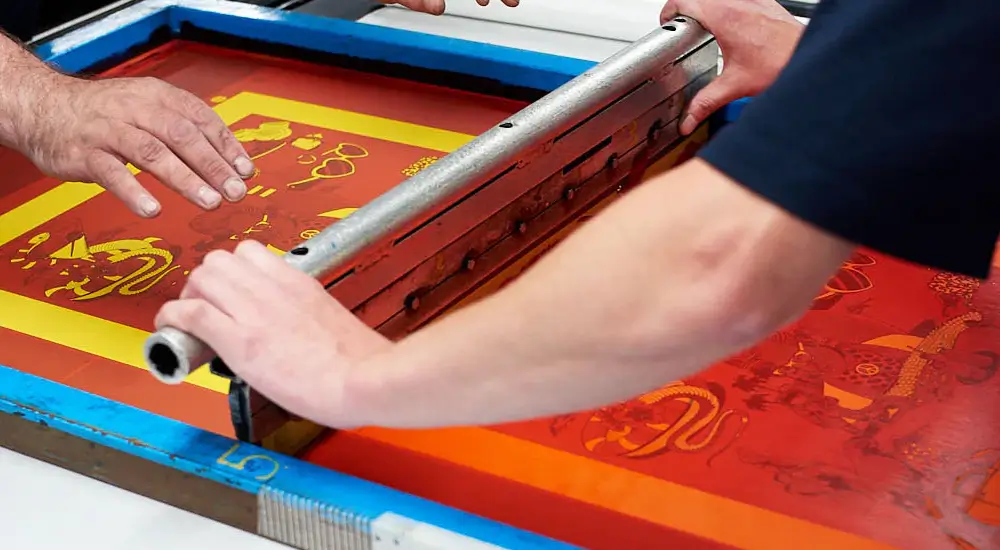
The process pushes ink through a mesh screen onto the fabric.Each color in the design requires its own screen.Workers prepare the screen with a light-sensitive chemical.Light hardens the areas that should block ink, while soft areas wash away to form the design.A worker then pulls ink across the screen with a tool called a squeegee.The ink passes through the open mesh and lands directly on the canvas bag.
Workers heat the bag after printing.The heat cures the ink and bonds it to the fabric.This method creates bold and solid colors.The ink sits on top of the fabric fibers and produces strong color coverage.
Screen printing works especially well on cotton canvas.The printed design often resists cracking, peeling, and fading for a long time.However, the process requires setup time and equipment.Each color adds more preparation work and increases the cost.Once the setup finishes, printing moves very quickly.This speed makes screen printing very affordable for large orders.
What Is Digital Heat Transfer for Canvas Bags
Digital heat transfer is a newer printing method.Most companies today use a version called DTF, which means Direct to Film.
This process starts with a digital printer.The printer prints the design onto a special plastic film.The printer uses special inks designed for fabric transfers.Workers then add adhesive powder to the wet ink.Heat cures the powder and turns the print into a transfer sheet.
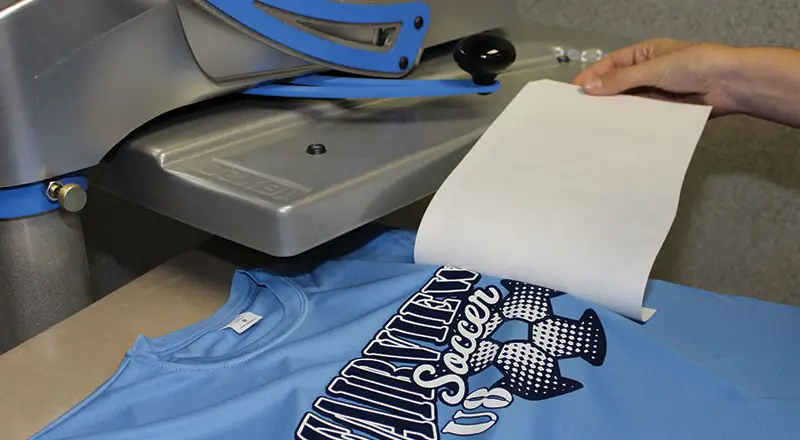
Workers place the film onto the canvas bag during the next step.A heat press machine presses the design onto the fabric.Heat and pressure move the design from the film onto the canvas.The result is a detailed and colorful image.The method can reproduce complex designs, gradients, and photos.
DTF printing handles designs that screen printing cannot easily produce.It works well for logos that contain many colors or fine details.
Many people confuse DTF with heat transfer vinyl, or HTV.HTV uses colored vinyl sheets that machines cut into shapes before pressing them onto fabric.HTV works best for simple designs.DTF works much better for complex artwork.DTF also requires less preparation work.This advantage makes it popular for small custom orders.
Head-to-Head Comparison
Screen printing and DTF both serve different needs.Businesses often choose between them based on cost, design style, and order size.
Screen printing offers excellent durability.The ink bonds strongly with the fabric fibers.DTF also offers strong durability when workers apply it correctly.However, poor application can cause peeling over time.
Screen printing costs more for small orders.DTF costs less because it does not require screen setup.Screen printing becomes cheaper in large quantities.DTF costs stay more stable as order size increases.
Screen printing requires longer preparation time.DTF printing starts quickly from a digital file.Screen printing handles simple designs best.
DTF prints complex and full-color images easily.Screen prints sometimes feel thick on the fabric.DTF transfers usually feel smoother and more flexible.
Screen Printing: Pros and Cons
Screen printing remains a popular method in the printing industry.Many companies still prefer it for large production jobs.
Advantages:
Screen printing produces very durable prints.The ink bonds tightly with the canvas fibers.The colors also appear bright and bold.Thick ink layers create strong color coverage on light or dark canvas.
The method becomes very cheap for bulk orders.Companies that print hundreds of bags often choose screen printing.The method also supports different ink types.Some inks create softer prints or more eco-friendly results.
Disadvantages
Screen printing requires setup work.Workers must prepare a separate screen for each color.
This preparation increases the cost for small orders.It also increases production time.The method struggles with complex artwork.Designs with many colors or gradients become expensive to print.
Traditional inks may also raise environmental concerns.Some older inks contain chemicals that are less eco-friendly.
Digital Heat Transfer (DTF): Pros and Cons
DTF printing has grown quickly in recent years.Many small businesses now use this method for custom products.
Advantages
DTF requires almost no setup cost.A printer can start printing directly from a digital file.
This benefit makes it perfect for small orders.DTF also supports unlimited colors.The printer can reproduce photos and complex artwork easily.
The method works on many fabric types.It prints well on cotton, polyester, and fabric blends.DTF printing also saves time.Workers can produce small batches very quickly.
Disadvantages
DTF costs more for large orders.The price per item does not drop much with higher quantities.Durability also depends on proper application.Incorrect heat settings can cause peeling later.Some prints may feel slightly plastic.Large designs can create a noticeable layer on the fabric.
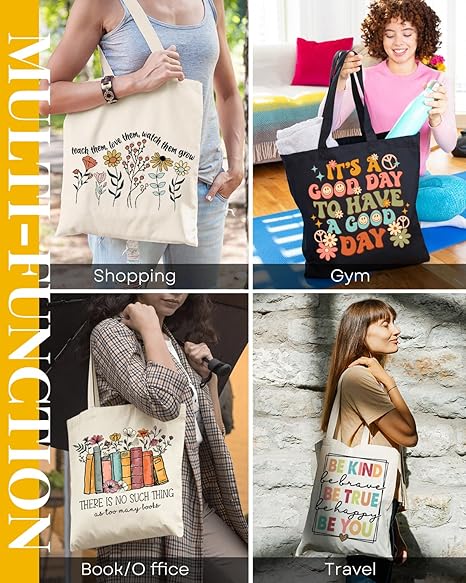
Ready to bring your logo to life on durable, eco-friendly canvas bags? Xiangfu Bag Customization Factory specializes in premium custom canvas totes, serving brands and wholesalers worldwide for over 15 years.
We offer both screen printing (ideal for bold, long-lasting logos with excellent wash durability and a professional matte finish—perfect for larger runs and simple-to-moderate designs) and digital heat transfer (great for full-color, highly detailed artwork, small-to-medium orders, and intricate graphics with vibrant results and quick turnaround).