When evaluating materials for construction, packaging, or outdoor gear, one question inevitably arises: Is DuPont Tyvek waterproof? The short answer is no, Tyvek is not 100% waterproof. However, it is highly water-resistant, offering a unique balance of liquid holdout and vapor breathability that few other materials can match.
In this comprehensive guide, we will explore the exact water-resistant properties of DuPont™ Tyvek®, examine real-world performance data such as hydrostatic head ratings, and compare it to other common materials like standard plastics and Gore-Tex. Whether you are a B2B packaging professional, a construction contractor, an e-commerce seller, or an ultralight backpacker, understanding the true capabilities and limitations of Tyvek is essential for making informed decisions.
What is DuPont Tyvek Material?
Before diving into its water performance, it is important to understand what Tyvek actually is. Manufactured by DuPont, Tyvek is a 100% synthetic material made from high-density spunbound polyethylene (HDPE) fibers [1]. These continuous, fine filaments are randomly distributed and compressed under heat and pressure, creating a nonwoven fabric that is remarkably lightweight, durable, and tear-resistant.
Tyvek is available in two primary structures:
- “Hard” Structure (Paper-like):Styles beginning with a 10 (e.g., 1056D, 1073B) are stiff, smooth, and behave much like traditional paper. This structure is commonly used for envelopes, tags, and industrial packaging.
- “Soft” Structure (Fabric-like):Styles beginning with a 14 or 16 (e.g., 1443R) are flexible, drapable, and feel more like cloth. These are frequently used for protective apparel, custom bags, and outdoor gear.
One of the defining characteristics of both structures is their unique physical structure. The microscopic pores created by the spunbound process are large enough to allow moisture vapor to pass through, but small enough to block liquid water and air under normal conditions.
Waterproof vs. Water-Resistant: Key Definitions
To accurately answer whether Tyvek is waterproof, we must first establish the industry definitions of these terms. They are often used interchangeably in marketing, but technically, they represent very different levels of performance.
Water-Resistant: A water-resistant material is designed to repel water to a certain degree but will eventually allow water to penetrate under continuous exposure or increased pressure. These materials typically feature a tight weave or a specialized surface treatment that causes water to bead up and roll off.
Waterproof: A truly waterproof material provides an impenetrable barrier to liquid water, regardless of the pressure or duration of exposure. Materials like solid rubber, thick PVC plastic, and heavy silicone are completely waterproof. However, these materials are typically non-breathable, meaning they trap moisture vapor (sweat or humidity) inside.
According to DuPont’s official technical guidelines, Tyvek is classified as water-resistant, not waterproof. While it offers exceptional liquid holdout, sustained water pressure or prolonged submersion will eventually force water through its microscopic pores.
If you ask DuPont directly, the answer is clear. According to the official DuPont Tyvek FAQs:
“Tyvek® is equally strong wet or dry under ordinary conditions and ambient temperature… Upon initial exposure, water will not penetrate Tyvek®. With time, or increased water pressure, drops of water will go through Tyvek®.”
This means that for quick splashes, light rain, or accidental spills, Tyvek behaves as if it were waterproof. The water simply beads up on the surface and runs off. However, if you were to submerge a Tyvek envelope in a bucket of water for several hours, or if a Tyvek house wrap is subjected to a driving hurricane-force rainstorm without proper exterior siding, water will eventually permeate the material.
The beauty of Tyvek lies not in absolute waterproofing, but in its breathability. If Tyvek were completely waterproof like a plastic garbage bag, it would also trap air and moisture vapor. In construction, this would lead to trapped humidity and catastrophic wood rot inside walls. In protective apparel, it would cause the wearer to overheat and become drenched in their own sweat. Tyvek’s microscopic pores allow vapor to escape while holding bulk liquid water at bay.
How Water-Resistant is Tyvek? Performance Data
To quantify water resistance, the textile and construction industries rely on the Hydrostatic Head (HH) Test (such as AATCC-127 or ISO 811). This test measures how much water pressure a fabric can withstand before it leaks. The result is typically expressed in millimeters (mm) or centimeters (cm) of water column.
For context, a standard umbrella might have a hydrostatic head of 400mm to 500mm, while a high-end mountaineering tent usually requires a rating of at least 1,500mm to be considered adequately waterproof for heavy rain.
Tyvek Hydrostatic Head Ratings
The water resistance of Tyvek varies significantly depending on the specific style and its intended application.
- Standard Commercial/Graphics Tyvek (e.g., Type 10 and 14 styles):The average hydrostatic head of standard uncoated Tyvek styles generally exceeds 1,270 mm (127 cm H2O). Some medical packaging grades like 1059B and 1073B can reach around 1,400 mm to 1,500 mm.
- Tyvek HomeWrap:Engineered specifically for the construction industry, Tyvek HomeWrap boasts an impressive hydrostatic head of 2,500 mm (250 cm). This provides robust protection against wind-driven rain penetrating the building envelope.
While a rating of 1,270 mm to 2,500 mm is highly impressive for a breathable, non-coated material, it falls short of the 10,000 mm to 20,000+ mm ratings seen in premium waterproof-breathable rain jackets. This is why Tyvek is exceptional for temporary exposure, packaging, and secondary building protection, but is not suitable for deep-water submersion or serving as a primary rain jacket in a torrential downpour.
Tyvek Water Resistance vs. Other Materials
To better understand Tyvek’s capabilities, let’s compare its water resistance and breathability to other common materials used in packaging, construction, and outdoor gear.
Material | Water Resistance Level | Breathability (Vapor Permeability) | Best Use Case |
Standard Paper | Very Low (Absorbs quickly) | High | Dry, short-term packaging |
DuPont Tyvek® | High (1,270mm – 2,500mm HH) | High | House wrap, durable bags, protective suits |
Polyethylene Film (Plastic Bag) | Complete (Waterproof) | None (Zero breathability) | Trash bags, absolute moisture barriers |
Perforated House Wrap | Low to Moderate | Low (Only through punched holes) | Budget construction wrapping |
Gore-Tex® (Membrane) | Very High (28,000mm+ HH) | Moderate to High | Premium rainwear, extreme outdoor gear |
Silnylon / Silpoly | High (1,500mm – 3,000mm+ HH) | None (Zero breathability) | Ultralight tents, waterproof stuff sacks |
Tyvek vs. Plastic (Polyethylene Film)
While both are made from polyethylene, solid plastic film is completely waterproof and non-breathable. Tyvek is spunbound, meaning it has pores. If you ship a product in a solid plastic mailer, it is safe from rain, but any internal moisture (like damp clothing) will remain trapped and could cause mildew. A Tyvek mailer protects against the rain while allowing internal moisture vapor to escape.
Tyvek vs. Gore-Tex
Gore-Tex utilizes a complex, multi-layer ePTFE membrane that offers extreme waterproofing (often exceeding 28,000 mm HH) while maintaining breathability. Tyvek is much more affordable, lighter, and simpler, but its hydrostatic head is lower. Tyvek is often used by ultralight backpackers as a budget-friendly ground cloth or emergency bivy, but it will not keep you as dry as Gore-Tex in a sustained, heavy storm.
Factors That Affect Tyvek’s Water Performance
While Tyvek is inherently water-resistant straight off the roll, its performance in the real world can be influenced by several external factors.
- Water Pressure and Velocity:Tyvek easily repels a spilled cup of coffee or a gentle drizzle. However, a high-pressure pressure washer or wind-driven rain at 60 mph will eventually force water through the microscopic pores.
- Physical Abrasion and Wear:Rubbing, severe creasing, or folding Tyvek repeatedly can cause the material to internally delaminate or stretch the pores, slightly reducing its water holdout over time.
- Chemical Exposure:Certain surfactants, oils, or soaps can lower the surface tension of water, allowing it to penetrate Tyvek more easily. If Tyvek is contaminated with oils, its water resistance will decrease.
- UV Exposure:Tyvek is sensitive to ultraviolet (UV) radiation. Prolonged exposure to direct sunlight will degrade the polyethylene fibers. For example, Tyvek HomeWrap is designed to withstand up to 120 days of UV exposure during construction before it must be covered by exterior siding. If left exposed for months, it will become brittle and lose its water-resistant properties.
- Punctures and Seams:Tyvek is highly puncture-resistant, but any holes made by staples, nails, or sewing needles will allow water to pass through.
Practical Applications: Where Tyvek’s Water Resistance Shines (and Where It Doesn’t)
Understanding the nuance between waterproof and water-resistant helps clarify exactly where Tyvek should be used.
Where Tyvek Excels:
- Construction House Wrap:Tyvek HomeWrap is the industry standard. It blocks wind and rain that penetrate the exterior siding, while allowing the wood framing to breathe and dry out, preventing mold.
- E-commerce Packaging:Tyvek envelopes and shipping bags are incredibly lightweight, tear-proof, and will protect contents from rain, snow, and rough handling during transit.
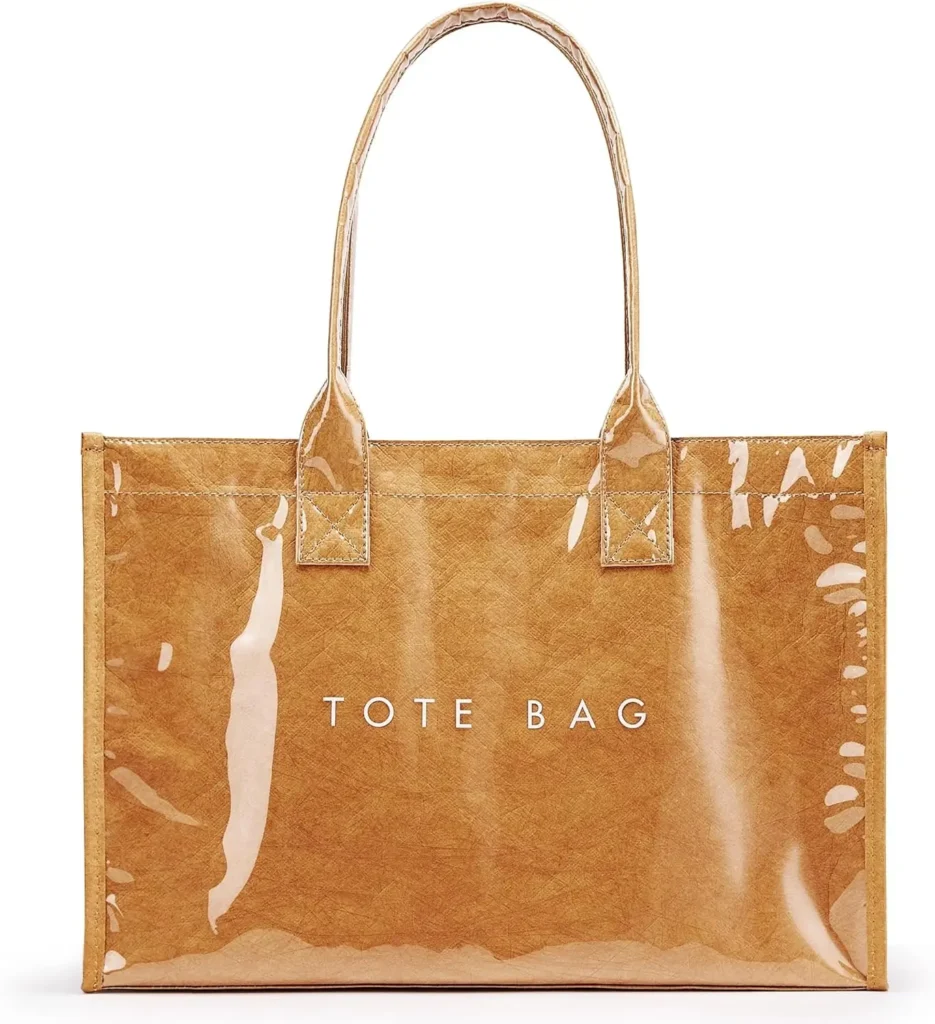
- Custom Bags and Totes:Tyvek’s unique texture makes it popular for reusable grocery bags, promotional totes, and cosmetic pouches. It is easy to clean (just wipe with a damp cloth) and protects contents from spills.
- Medical and Industrial Packaging:Medical-grade Tyvek is used to package sterilized surgical instruments. It blocks bacteria and liquid while allowing sterilizing gases to enter and exit.
- Ultralight Backpacking:Hikers frequently use Tyvek 1443R or HomeWrap as lightweight, durable ground cloths under their tents to block ground moisture.
Where Tyvek Falls Short:
- Submersible Dry Bags:If you need a bag to keep your electronics dry while whitewater rafting or scuba diving, Tyvek is not the right choice. You need a 100% waterproof PVC or TPU dry bag.
- Primary Rain Jackets for Heavy Storms:While DIY Tyvek rain jackets are popular in the ultralight community, they will eventually “wet out” and leak during prolonged, heavy downpours.
- Permanent Outdoor Tents:Due to its UV sensitivity, an uncoated Tyvek tent left set up in the sun for a whole summer will eventually degrade and leak.
Common Myths About Tyvek Waterproofing
Myth 1: “Tyvek is a vapor barrier.” Fact: This is a common misconception in construction. Tyvek is an air and water barrier, but it is highly vapor permeable. A true vapor barrier (like 6-mil plastic sheeting) blocks moisture vapor, whereas Tyvek allows it to pass through to prevent rot.
Myth 2: “Washing Tyvek ruins its water resistance.” Fact: Soft structure Tyvek (like styles 1443R) can actually be hand-washed or machine-washed on a gentle cycle in cool water. While aggressive washing can eventually soften the material and slightly open the pores, it does not instantly destroy its water resistance. Do not machine dry or iron Tyvek, as it melts at 135°C (275°F).
Myth 3: “All Tyvek is the same.” Fact: Tyvek HomeWrap is engineered specifically for buildings and has a different hydrostatic head and UV resistance compared to the Tyvek used for wristbands or FedEx envelopes. Always choose the correct style for your specific application.
Tips to Improve Tyvek’s Water Resistance
If your project requires Tyvek’s lightweight durability but you need absolute waterproofing, there are ways to enhance its performance.
- Lamination and Coating:Tyvek can be laminated with other materials or coated with polyurethane (PU) or acrylic. A PU-coated Tyvek fabric will become completely waterproof, though it will sacrifice its breathability.
- Seam Sealing:If you are sewing a Tyvek bag or garment, the needle holes will leak. To make the item waterproof, you must tape the seams using specialized waterproof seam tape or seal them with a liquid seam sealer.
- Adhesives and Welding:Instead of sewing, Tyvek can be joined using water-based adhesives, hot melt glues, or ultrasonic welding. Ultrasonic sealing melts the fibers together, creating a continuous, waterproof bond without puncturing the material.
Conclusion
So, is DuPont Tyvek waterproof? Technically, no. It is highly water-resistant and exceptionally breathable.
For the vast majority of applications—from protecting a new home against driving rain to ensuring an e-commerce package survives a snowy delivery porch—Tyvek’s water resistance is more than sufficient. Its true brilliance lies in its ability to block liquid water while allowing moisture vapor to escape, a delicate balance that solid plastics cannot achieve.
When evaluating materials for your next packaging design, construction project, or outdoor adventure, remember that absolute waterproofing isn’t always the goal. Often, the breathable, tear-proof, and water-resistant nature of Tyvek is exactly what you need.