
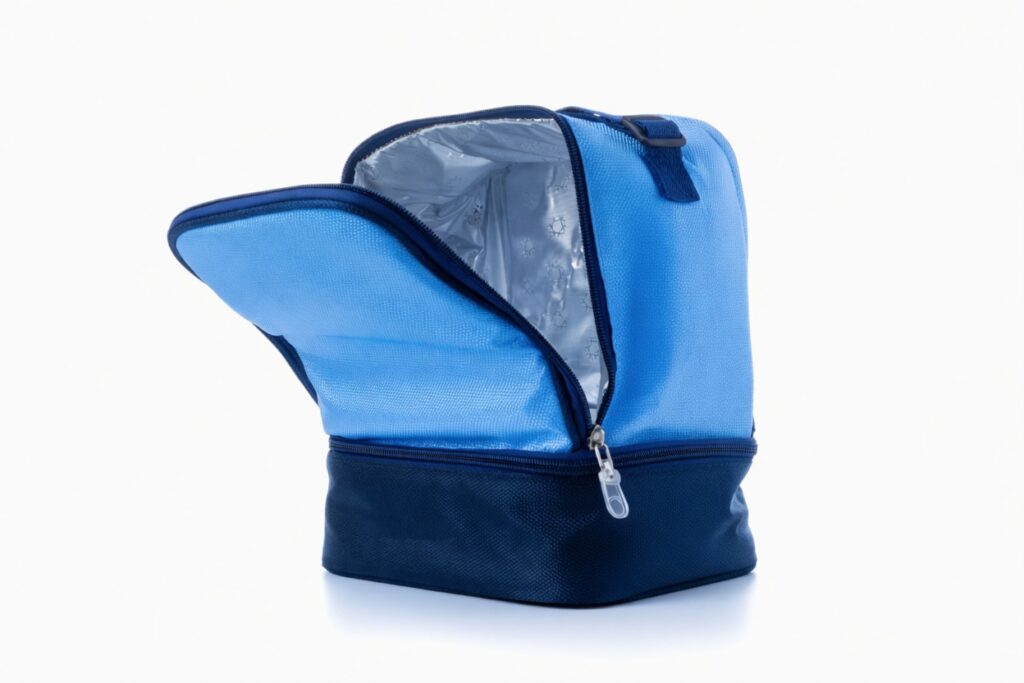
Whether you are a food delivery driver hustling through rush hour traffic, a caterer preparing for a large outdoor event, or simply a parent packing a picnic for the family, one question always arises: how long do thermal bags keep food hot or cold? The ability to maintain safe and appetizing food temperatures is not just a matter of taste; it is a critical component of food safety and customer satisfaction.
In the fast-paced world of food logistics and daily meal prep, understanding the real-world performance of insulated thermal bags is essential. This comprehensive guide will delve into the science of thermal bag temperature retention, explore industry test results, and provide actionable advice to help you get the most out of your insulated delivery bags. We will cover the key factors affecting thermal bag insulation, compare them to other solutions like hard coolers, and answer the most common questions about how long insulated thermal bags last.
What Determines How Long a Thermal Bag Keeps Food Hot or Cold?
To understand how long do thermal bags stay hot or cold, it is important to grasp the basic science behind their design. Insulated bags are not active heating or cooling devices; rather, they are engineered to slow down the natural process of heat transfer. Heat naturally moves from warmer areas to cooler ones until a balance is reached. Thermal bags combat this through three primary mechanisms: conduction, convection, and radiation.
The Science of Heat Transfer
- Conduction: This is the direct transfer of heat through materials. Thermal bags utilize materials with low thermal conductivity, such as polyurethane or polystyrene foam, to create a barrier. High-density foams can significantly reduce heat transfer compared to lower-density alternatives.
- Convection: This involves the movement of heat through fluids or gases (like air). A well-sealed thermal bag minimizes air exchange with the outside environment, trapping the conditioned air inside and preventing external air from entering.
- Radiation: Heat can also travel as electromagnetic waves. Many high-quality thermal bags feature a reflective inner lining, often made of aluminum foil, which bounces radiant heat back towards the food (keeping it hot) or reflects external heat away (keeping it cold).
The Layered Defense System
Most thermal bags employ a “sandwich” construction to maximize thermal bag performance. The outer layer is typically a durable, weather-resistant fabric like nylon or polyester, which protects against wind and moisture. The middle layer is the core insulation, usually a thick foam that slows conduction. The inner layer is often a reflective and easy-to-clean material that addresses radiation and hygiene.
Key Factors That Affect Temperature Retention Time
While the fundamental design of a thermal bag is crucial, several real-world variables dictate exactly how long insulated thermal bags last in practice. Understanding these factors is key to optimizing your thermal bag cold food duration and hot food retention.
1. Quality and Thickness of Insulation
The type and density of the insulating foam are paramount. Thicker, high-density polyurethane foam offers superior thermal resistance compared to thinner, cheaper alternatives. A bag with robust insulation will consistently outperform a flimsy one, especially in extreme ambient temperatures.
2. Ambient Temperature
The environment outside the bag plays a massive role. A thermal bag sitting in a sweltering car trunk in mid-July will lose its cooling capacity much faster than the same bag in an air-conditioned room. Conversely, keeping food hot in freezing winter conditions presents a different set of challenges.
3. The Volume and Density of the Food
A bag that is completely full of dense, hot food (like a large container of soup or a stack of pizzas) will retain its heat much longer than a bag containing a single, small item with lots of empty air space. The thermal mass of the food itself acts as a temperature reservoir.
4. Frequency of Opening
Every time a thermal bag is opened, the conditioned air inside escapes, and ambient air rushes in. For food delivery drivers making multiple stops, this “door-open time” is the enemy of temperature retention. Minimizing the frequency and duration of openings is critical for maintaining the insulated bag food temperature.
5. Use of Supplemental Heating or Cooling Sources
Thermal bags are passive insulators. To significantly extend the thermal bag cold food duration, the use of ice packs, gel packs, or phase-change materials (PCMs) is essential. Similarly, for hot food, pre-warming the bag or using heated inserts can dramatically improve performance.
Real-World Performance: How Long Do Thermal Bags Actually Last?
When discussing thermal bag performance tests, it is important to distinguish between theoretical maximums and realistic, everyday expectations.
Typical Time Ranges for Hot Food
In typical food delivery or catering scenarios, a standard insulated delivery bag hot food retention is generally effective for 30 to 90 minutes. For optimal quality — where fries remain crisp and soup stays piping hot — a window of 45 to 60 minutes is a realistic expectation, assuming the bag remains closed. High-end, heavily insulated bags specifically designed for pizza delivery or catering can stretch this to 2 hours or slightly more, especially if the bag is full and tightly sealed.
Typical Time Ranges for Cold Food
When keeping food cold, the duration is heavily dependent on the use of ice packs:
- Without ice packs: A standard insulated bag will typically keep food cold for 2 to 4 hours, depending on the starting temperature of the food and the ambient heat.
- With ice packs: By adding adequate gel packs or ice, the cold retention can be extended significantly, often lasting 6 to 12 hours. This makes them suitable for day-long picnics, long commutes, or medical cold chain logistics.
Hot Food vs Cold Food: Differences in Retention Time
The dynamics of keeping food hot versus keeping it cold in a thermal bag differ slightly due to the nature of the items and the desired outcomes.
When retaining heat, the primary concern is often moisture control as much as temperature. Hot food generates steam. If a bag is sealed too tightly without any venting, that steam condenses, leading to soggy food — the bane of fried items and pizza crusts. Therefore, hot food bags sometimes incorporate slight venting or breathable materials, which can marginally reduce the absolute temperature retention time but vastly improve the food’s texture.
Conversely, when keeping food cold, a perfectly airtight seal is usually desirable to prevent warm air intrusion and condensation on the inside of the bag. The goal is maximum isolation from the ambient environment. Furthermore, it is generally easier to add significant “cold mass” (via ice packs) to a bag than it is to add “hot mass” without specialized equipment, making long-term cold retention more achievable for the average user.
Thermal Bags vs Other Insulation Solutions
To fully appreciate the utility of thermal bags, it is helpful to compare them to other common temperature management solutions. The table below provides a clear side-by-side overview of the most popular options.
| Feature | Soft Thermal Bags | Hard Coolers | Foil Bubble Bags | Vacuum Flasks |
|---|---|---|---|---|
| Best For | Food delivery, daily lunches, groceries | Camping, long trips, bulk beverages | Short trips, single-use, retail packaging | Soups, beverages, individual portions |
| Temperature Retention | Moderate (2–6 hours typical) | High (12–72+ hours) | Low (1–2 hours) | Very High (12–24 hours) |
| Portability | Excellent (lightweight, often collapsible) | Poor (heavy, bulky, rigid) | Excellent (very lightweight) | Good (compact, but heavy for size) |
| Durability | Good (with proper care) | Excellent (rugged construction) | Low (prone to tearing) | Excellent (stainless steel construction) |
| Cost | Low to Moderate | Moderate to High | Very Low | Moderate |
As the table illustrates, thermal bags hit the sweet spot for applications requiring a balance of moderate temperature retention, excellent portability, and reasonable cost.
Industry Test Results and Case Studies
The efficacy of thermal bags is continuously validated across various demanding industries.
Food Delivery (DoorDash, Uber Eats)
In the competitive last-mile delivery sector, temperature retention is directly tied to customer ratings. Industry guidelines suggest that insulated food delivery bags are crucial for maintaining food quality during the critical first 30–60 minutes of transit. Operators who enforce strict “bag closed between stops” policies report significantly fewer “arrived cold” complaints and refund requests.
Catering and Events
Caterers rely on heavy-duty thermal bags and rigid insulated boxes to transport large volumes of food from off-site kitchens to event venues. These specialized bags, often featuring thick foam and structural supports, are designed to hold safe serving temperatures (above 135°F / 57°C or below 41°F / 5°C) for several hours, ensuring compliance with health department regulations during transport and staging.
Medical Cold Chain
The medical and pharmaceutical industries utilize advanced thermal bags, often paired with precise Phase Change Materials (PCMs), to transport sensitive items like vaccines, blood products, and biologics. These systems are rigorously tested to maintain strict temperature ranges (e.g., 2–8°C) for extended periods, sometimes up to 24 hours or more, demonstrating the high-end capabilities of thermal bag technology.
Proven Tips to Make Your Thermal Bag Last Longer
Whether you are delivering meals or packing a lunch, these actionable tips will maximize your thermal bag performance:
- Pre-Condition the Bag: Before packing, pre-chill your bag with an ice pack for a few minutes if carrying cold food, or pre-warm it with a warm towel (never direct high heat) for hot food. This prevents the bag’s internal materials from stealing temperature from your food.
- Fill the Empty Space: Air is the enemy of temperature retention. Pack your bag as full as possible. If you have extra space, fill it with crumpled paper, extra ice packs, or clean towels to reduce the volume of air that needs to be conditioned.
- Use the Right Accessories: Always use ice packs or gel packs for cold items. For hot items, consider specialized heated inserts if your delivery times are exceptionally long.
- Keep it Closed: Limit the number of times you open the bag and the duration it stays open. Every second the bag is open, you lose valuable temperature control.
- Separate Hot and Cold: Never put hot and cold items in the same compartment. The heat will rapidly melt your cold items, and the cold will cool down your hot food. Use separate bags or bags with heavily insulated, divided compartments.
Common Mistakes That Reduce Temperature Retention
Avoid these frequent pitfalls that can ruin your thermal bag’s effectiveness:
- Ignoring Zippers and Seals: Failing to fully zip or seal the bag is the most common mistake. Even a small gap allows significant heat transfer.
- Leaving Bags in Extreme Environments: Storing a packed thermal bag in a hot car trunk or in direct sunlight will drastically reduce its performance. Keep the bag in the climate-controlled cabin of your vehicle whenever possible.
- Using Damaged Bags: A bag with torn inner linings, crushed foam, or broken zippers cannot insulate effectively. Inspect your bags regularly and replace them when they show significant wear and tear.
- Trapping Steam with Fried Foods: While sealing is generally good, sealing fried foods tightly in a non-breathable container inside a sealed thermal bag guarantees a soggy mess. Use vented containers for crispy items.
How to Choose a Thermal Bag for Maximum Duration
When selecting a thermal bag, consider your specific needs to ensure maximum duration and utility:
- For Delivery Drivers: Look for durable, water-resistant exteriors, thick high-density foam insulation, and strong, easy-to-use zippers. Backpack styles are great for cyclists, while rigid, flat-bottom bags are essential for pizza delivery to prevent crushing.
- For Catering: Prioritize rigid structural support, maximum insulation thickness, and easy-to-clean reflective interiors.
- For Personal Use (Lunches, Picnics): Focus on portability, easy cleaning, and sufficient space for ice packs alongside your food.
Ensure the bag is “right-sized” for your typical load to minimize empty air space, which is crucial for maintaining the desired temperature.
Conclusion
So, how long do thermal bags keep food hot or cold? While the exact duration depends on variables like insulation quality, ambient temperature, and packing methods, a well-made thermal bag is an indispensable tool. For hot food, expect a solid 45 to 60 minutes of high-quality retention, while cold food can stay chilled for 2 to 4 hours alone, or up to 12 hours with adequate ice packs.
By understanding the science of heat transfer, avoiding common packing mistakes, and following proven tips like pre-conditioning and minimizing empty space, you can significantly enhance your thermal bag performance. Whether you are a professional delivery driver striving for five-star reviews or a parent ensuring a safe picnic lunch, investing in a quality thermal bag and using it correctly makes all the difference.